
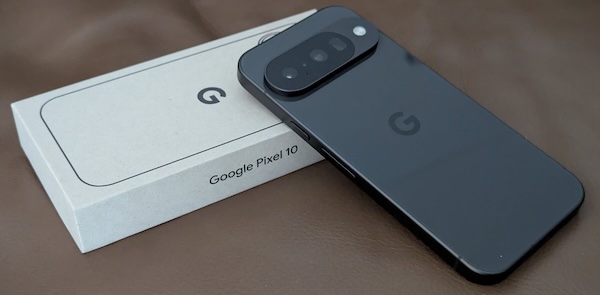
 I didn’t need a new phone, the Pixel 7 I’d been using for almost 2 years was doing everything I needed. The battery life was good, it still felt fast, and the photos were great.
I think my downfall was that I needed to upgrade the kids to newer (working) phones, and managed to get a couple of Pixel 7 Pros for a great price. This meant my phone, while still great, was the lowest spec phone in the family. I think since Black Friday we’d seen cell phone plan promotions that included the Pixel 10, leading to a lot of them hitting the market (new in box). The asking price was often $750 with low points being around $600, still a bit high for my frugal self.
Then a friend of mine did the plan upgrade dance and had a Pixel 10 he was willing to let go a bit lower than the typical asking price – while I didn’t need an upgrade – now I’m rocking the Pixel 10.
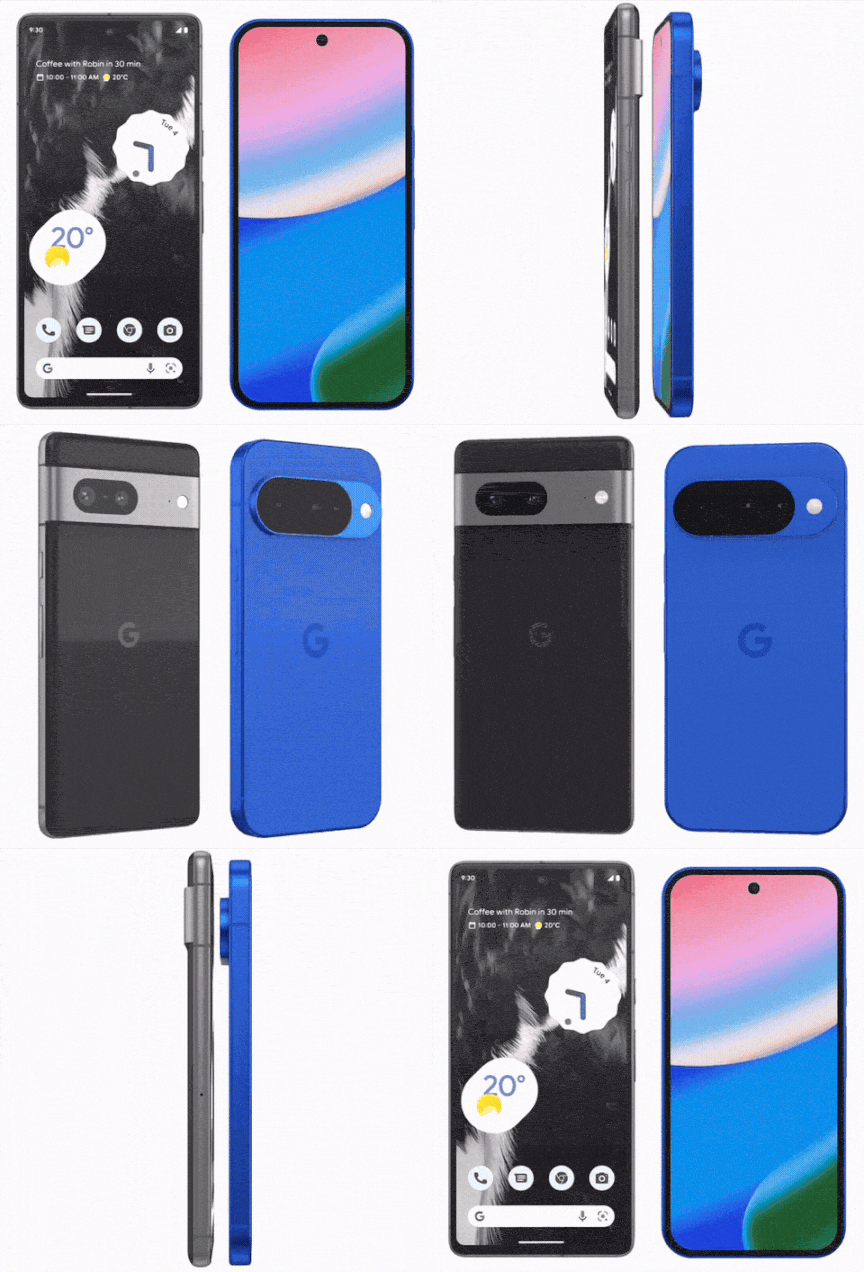
Above is an animation that compares the 7 vs the 10. The specifications say the 10 is slightly heavier than the 7, but the size of the phone is a tiny bit smaller. Notable are the more pronounced rounded corners. The 10 feels smaller in my hand, it’s still a giant phone as all phones seem to be today, but something about the shape makes it feels smaller.
The internals are all newer, better, faster. The 10 has a laundry list of improvements over the 7: A 5x optical telephoto camera; Satellite SOS service; 12GB RAM; updates until 2032.
If you want more comparisons I found this article which runs down a comparison of the 10 vs. many of the previous models.
I was able to move my old Pixel 7 along for a fair price, it turned out the person who bought it from me was someone I used to work with. Nice.
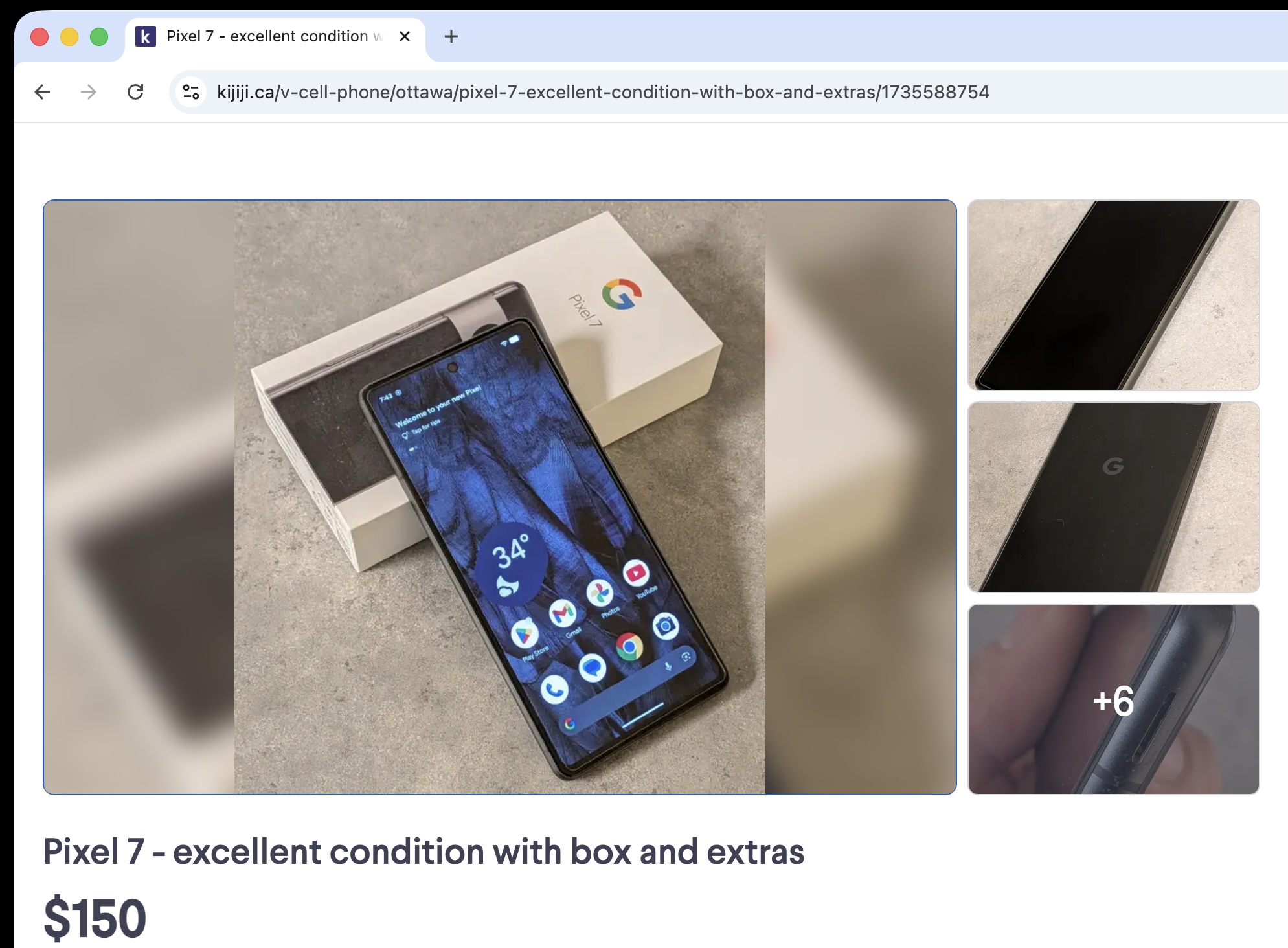
Over the 2+ years I used it, it only accumulated 293 charge cycles – and the battery should be good for 80% capacity at 800 cycles. It’s still got more than a year of Google support and after that you can always go to GrapheneOS or LineageOS.
Back to talking about the Pixel 10. Let’s start with the Google AI summary of the upgrade from the 7 to the 10.
Upgrading from the Pixel 7 to the Pixel 10 (2025) offers significant improvements in battery life, display brightness (3000+ nits), and processing power (Tensor G5), largely addressing the heat and battery degradation issues found in older models. The Pixel 10 features a smoother 120Hz display, faster charging, and 12GB of RAM compared to the 7’s 8GB
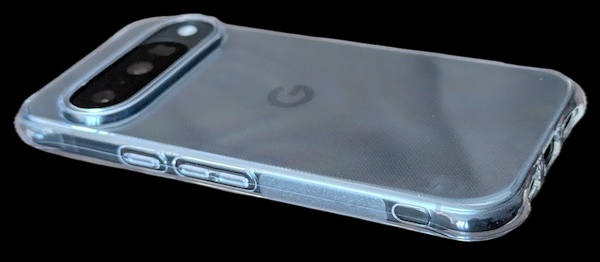
As usual, I grabbed a generic bumper case off Amazon, which came with a screen protector. I particularly like the cases that have extra bumps on the corners, both for fall protection – but also I find them handy to help grip the phone.
Unfortunately the screen protector didn’t work with the finger print sensor. The 7 used an optical sensor, whereas the 10 uses an ultrasonic sensor. The generic screen protector was too thick preventing it from working. Google has introduced a ‘made for Google‘ certification for screen protectors – boo. While face unlock worked, I’m not sure I wanted to be stuck with that or a password. I broke down and ordered Spigen certified screen protector, $24.99 which turned into almost $30 after tax but next day delivery.
The Spigen protector worked without issue, and the kit I ordered actually included two protectors so the price seemed a bit more worth it. The installation is a bit funky, but worked just like their video describes. I did need to use the squeegee tool to remove the bubbles, but it went smoothly.
Aside from the small issue with a generic screen protector and fingerprint recognition adopting the new phone was straight forward. The migration process from the 7 to the 10 went smoothly. Even the eSIM just magically moved over. All in all it was an easy upgrade.
A few weeks in to using it, I’m still pleased with the upgrade. I keep finding reviews which say all of the things better than I could.